From lived experience and healthcare leadership to legal advocacy, RTI, accessibility action and institutional engagement
Disability rights become meaningful when legal protections are translated into accessible services, fair procedures and equal participation. Dr. Arvinder Singh, a physician, healthcare entrepreneur, legal professional and person with locomotor disability due to polio, has increasingly focused his public work on this implementation gap.
As Founder and President of Panacea Disability Rights Activists (PDRA), a unit of the registered Panacea Educational Society in Udaipur, Rajasthan, he uses a combination of Right to Information (RTI) applications, accessibility observations, representations, legal proceedings, public education and constructive engagement with institutions to promote implementation of the Rights of Persons with Disabilities Act, 2016 (RPwD Act).
His approach is deliberately rights-based. Rather than presenting persons with disabilities as recipients of charity, it emphasises dignity, accessibility, non-discrimination, reasonable accommodation, accountability and participation. The objective is not confrontation with institutions, but measurable improvement through law, evidence and sustained follow-up.
A Multidisciplinary Path to Disability-Rights Advocacy
Dr. Singh’s professional background spans medicine, management, law, dispute resolution, entrepreneurship, communication and technology. He is an MBBS and MD in Clinical Pathology, an MBA Gold Medallist from the Indian Institute of Management, and an LLB. He has also undertaken advanced learning in arbitration, commercial mediation, communication, artificial intelligence and leadership through Indian and international institutions.
This multidisciplinary background is relevant to disability-rights work because accessibility problems rarely sit within a single domain. A hospital may require clinical understanding and accessible patient flow; a bank may involve service design and legal obligations; a transport complaint may require documentary evidence and administrative follow-up; and a public-policy issue may require communication with several authorities before change becomes possible.
His lived experience of locomotor disability adds another dimension. It provides direct understanding of physical access, mobility, dignity and the practical consequences of systems that are designed without disabled users in mind.
Panacea Disability Rights Activists: From Awareness to Implementation
Panacea Disability Rights Activists operates as a unit of Panacea Educational Society, registered in Udaipur under Registration No. 165/Udaipur/2011-12. Its work is centred on disability rights, accessibility and legal empowerment under the RPwD Act, 2016.
PDRA’s work has expanded across sectors including banking, public transport, railways, police services, education, healthcare, government buildings and other public-facing systems. Its methods include:
- RTI applications to obtain official information on accessibility and compliance;
- field observations and accessibility reviews;
- representations and complaints to competent authorities;
- legal proceedings where administrative remedies remain unresolved;
- awareness programmes on disability rights and available legal remedies;
- media and public-education initiatives that explain accessibility in constructive, practical terms; and
- follow-up with institutions to encourage corrective action and sustainable compliance.
Across its recent advocacy work, PDRA has filed hundreds of RTI applications with public authorities and institutions. The value of this approach is not the number alone: RTI creates an evidence trail that can identify gaps, clarify responsibility and make subsequent representations more precise.
Examples of Rights-Based Action
1. Public transport and accessibility
In Rajasthan Roadways-related matters, RTI applications were used to seek information about facilities for persons with disabilities at bus stands, buses and depots. Where responses were incomplete or disputed, the matter was pursued through formal administrative and legal channels rather than being limited to public criticism.
This reflects a broader principle of PDRA’s work: first establish the facts, then identify the applicable duty, and finally seek corrective action through the appropriate authority.
2. Accessible policing and disability-sensitive procedures
Representations concerning the treatment and accessibility needs of persons with disabilities were taken up with Rajasthan’s Home Department and police authorities. Subsequent official communications and follow-up brought greater administrative attention to disability-friendly police infrastructure, awareness of the RPwD Act and the need for disability-sensitive handling of complaints and criminal-law processes.
The significance lies in institutional engagement: disability inclusion in policing requires not only ramps or physical access, but also trained personnel, appropriate communication and procedures that recognise the rights and needs of persons with different disabilities.
3. Banking accessibility
PDRA has used RTI, accessibility observations and formal complaints to examine barriers in banking services. Issues such as branch access, accessible ATMs, service counters and customer processes matter because financial inclusion is inseparable from independent living and equal participation.
4. Education and community inclusion
Dr. Singh and PDRA have also engaged with schools serving students with disabilities, combining awareness of legal rights with practical accessibility improvements and community participation. Such work keeps advocacy connected to the everyday environments in which children and young adults learn, travel and build independence.
A Personal Journey That Informs the Advocacy
Dr. Singh lives with locomotor disability due to polio and has used calipers, crutches and other mobility support over many years. His public journey includes an adventure world record for riding a quad bike at Khardung La in Ladakh, an achievement reported by national media and recorded by the World Book of Records.
The relevance of this achievement to disability rights is not that every person with a disability must perform an extraordinary feat. The more useful message is that assumptions about capability are often unreliable, and that opportunity, adaptation, assistive support and accessible environments can significantly expand participation.
He is also a three-time world-record holder, with other records relating to academic achievement. His documented academic journey includes a large number of degrees, diplomas and professional certifications. Because publicly reported totals have varied over time as new qualifications were added, the more durable fact is the continuing pattern of multidisciplinary lifelong learning rather than a fixed numerical count.
Recognition for Disability and Social-Service Work
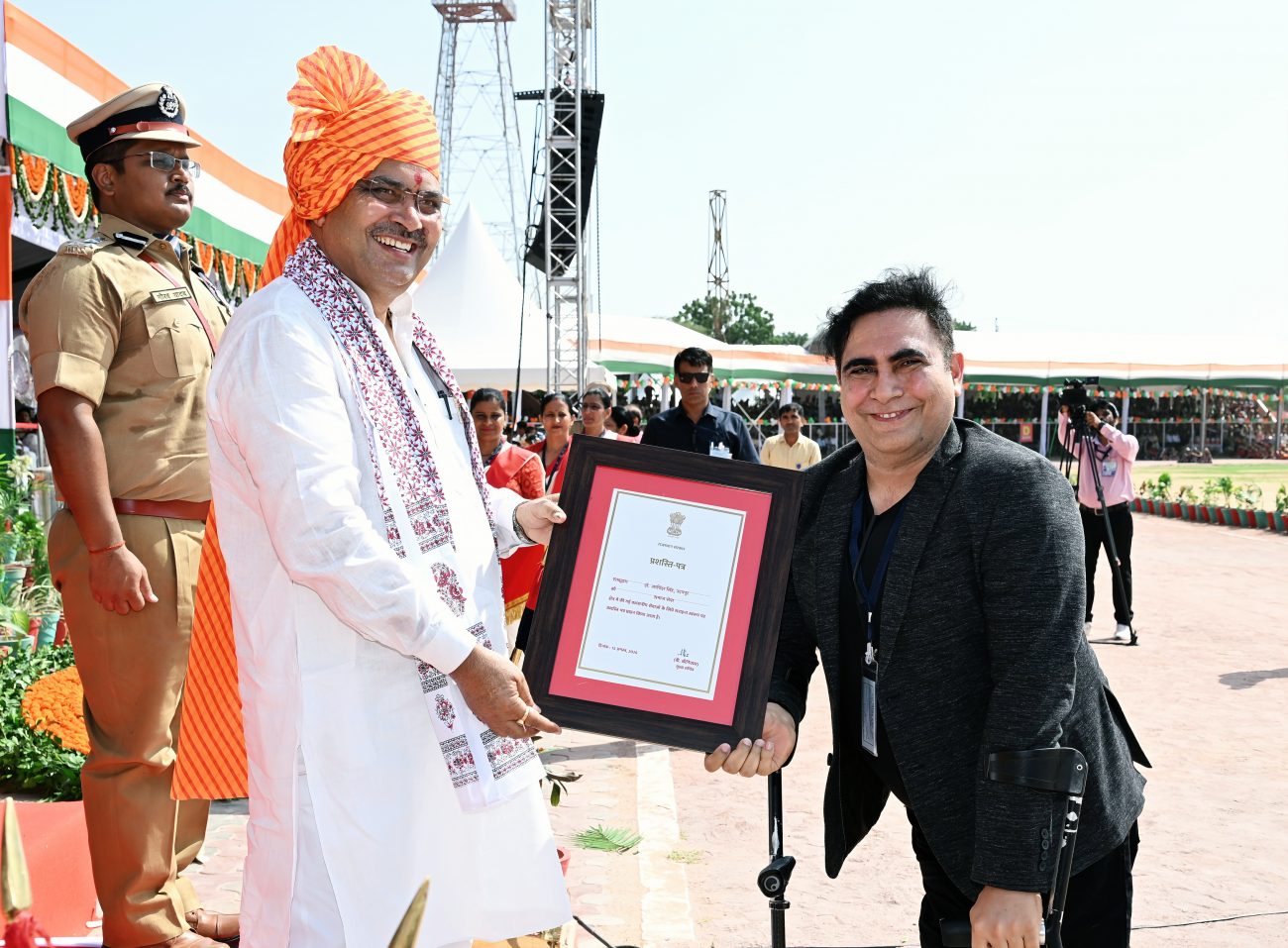
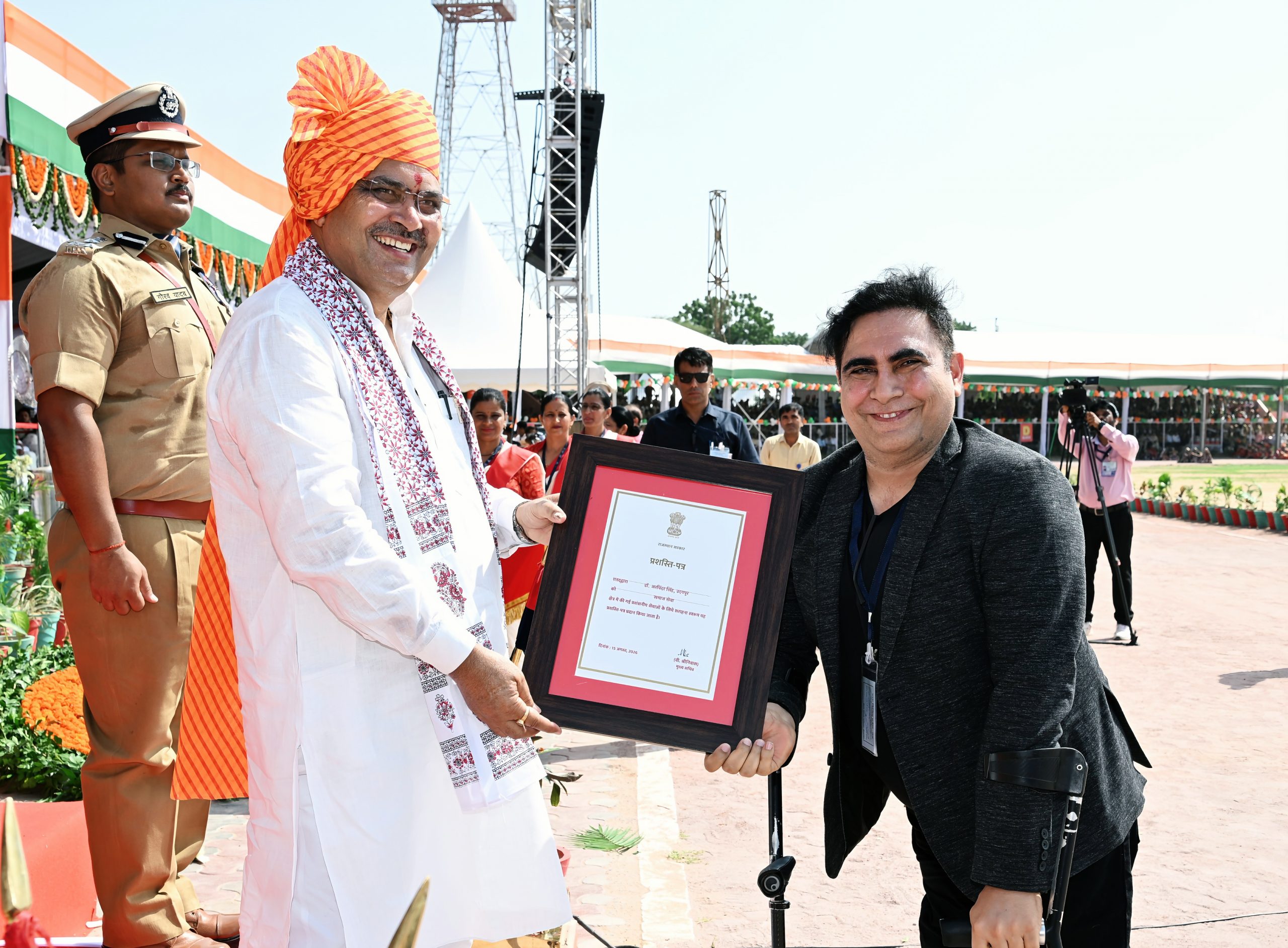
On 15 August 2026, Dr. Singh received a Rajasthan Government state-level Prashasti-Patra for commendable services in social service. His disability-rights and accessibility work has also received recognition in programmes involving Rajasthan’s Social Justice and Empowerment leadership and other public and civic institutions.
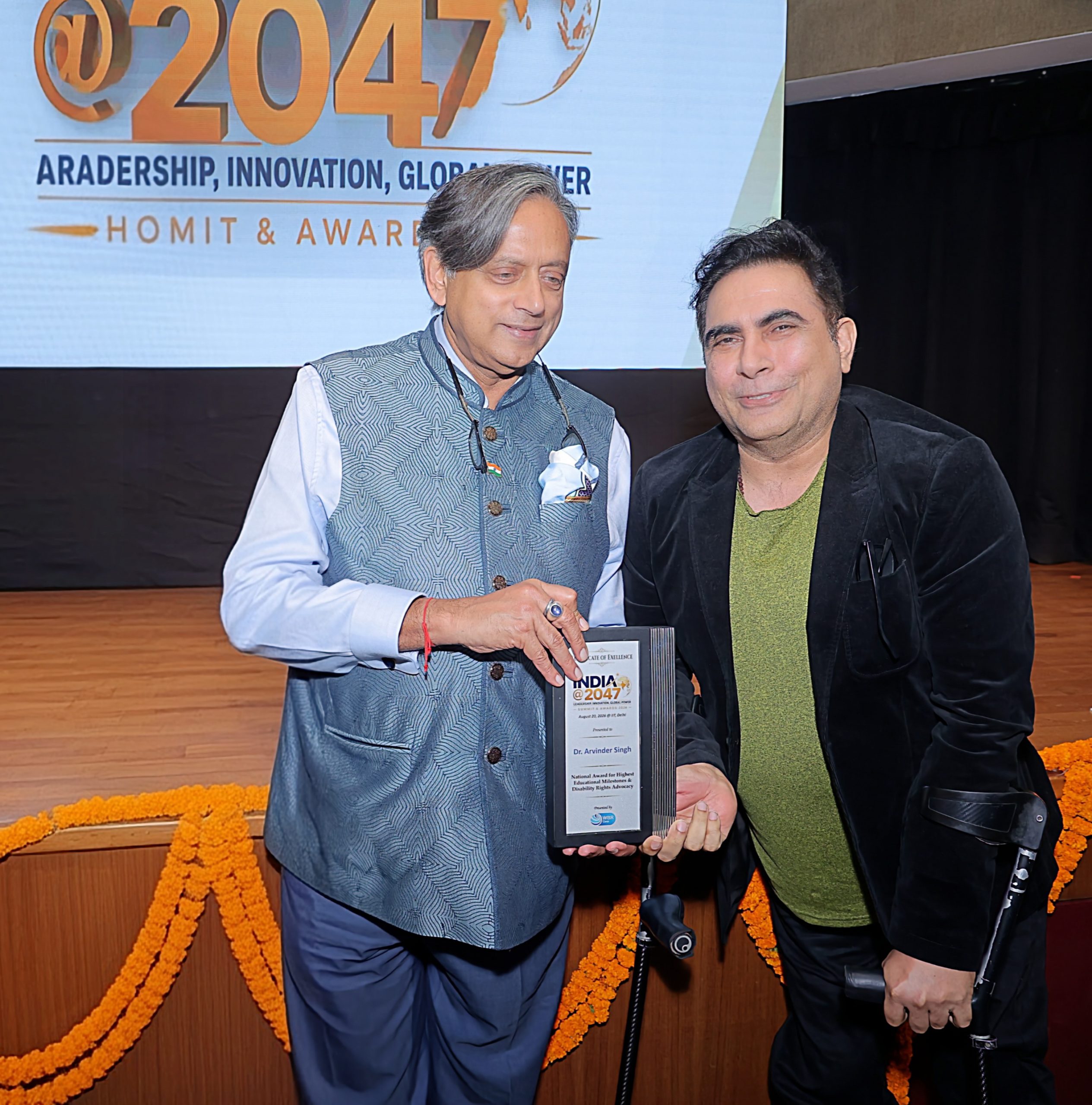
He has previously received professional and international recognitions associated with healthcare, education and leadership, including an honour at the House of Commons in the United Kingdom. These achievements provide background to his public profile, but the central measure of disability-rights work remains whether institutions become more accessible and persons with disabilities gain more effective access to their rights.
Why His Approach Is Different
- Lived experience: disability rights are approached not only as a policy subject but as a daily reality.
- Legal orientation: advocacy is linked to the RPwD Act, RTI Act, administrative processes and available legal remedies.
- Evidence before allegation: official information, documents and field observations are used to establish the issue.
- Cross-sector understanding: healthcare, law, management and communication are combined rather than treated separately.
- Constructive institutional engagement: government departments and service providers are approached as essential partners in implementation while accountability is preserved.
- Follow-through: complaints and representations are monitored beyond the first letter or media report.
A Rights-Based Vision for an Accessible India
Dr. Singh’s stated vision is an India in which accessibility is incorporated into governance, education, healthcare, banking, transport, workplaces, technology and public infrastructure as a normal design standard. This aligns with the RPwD Act, 2016 and the broader principles of the UN Convention on the Rights of Persons with Disabilities (UNCRPD).
For government and public institutions, the message is collaborative: India already has a substantial legal framework for disability rights, and continued implementation, monitoring, capacity-building and accessible design can convert those legal commitments into better everyday experiences for citizens.
Frequently Asked Questions
Who is Dr. Arvinder Singh?
Dr. Arvinder Singh is a pathologist, healthcare entrepreneur, legal professional and disability-rights activist based in Udaipur, Rajasthan. He is the Founder and President of Panacea Disability Rights Activists and CEO of Arth Diagnostics.
What does Panacea Disability Rights Activists do?
PDRA works on disability rights, accessibility and legal empowerment through RTI, accessibility observations, complaints, representations, legal action, awareness and institutional engagement.
What law is central to his disability-rights work?
The Rights of Persons with Disabilities Act, 2016 is the principal legal framework around which much of the advocacy is organised, alongside relevant administrative and legal remedies.
Is the work focused only on Rajasthan?
Most direct field and institutional engagement has been Rajasthan-based, while the legal principles, educational content and guidance on the RPwD Act are relevant across India.
What is distinctive about his advocacy?
Its combination of lived disability experience, healthcare knowledge, legal training, evidence-based RTI work, organisational leadership and sustained follow-up distinguishes the approach.
Conclusion: Turning Rights Into Everyday Access
Dr. Arvinder Singh’s disability-rights work is best understood not as a story of personal triumph alone, but as an attempt to translate rights into systems. The recurring tools are simple but powerful: evidence, law, accessibility assessment, communication and persistence.
The broader lesson is equally important. Disability inclusion becomes sustainable when persons with disabilities participate in leadership, government departments remain engaged in implementation, service providers design for accessibility, and civil society uses legal processes responsibly. In that ecosystem, advocacy is not anti-institutional; it helps institutions fulfil the inclusive purpose already embedded in Indian law.
