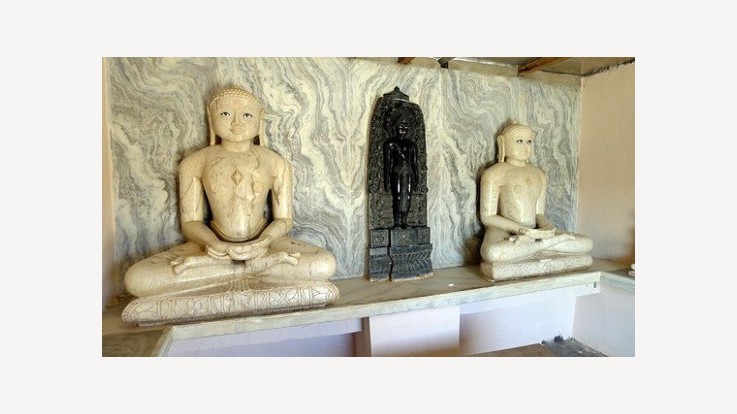
In recent years, many prominent temples across India have implemented strict rules prohibiting mobile phones, cameras, and other electronic gadgets within their premises. While some visitors may find this inconvenient, the decision is rooted in cultural, spiritual, and security-driven reasons. Understanding why mobile phones and cameras are not allowed in many temples helps us appreciate the sanctity of these sacred spaces and respect the traditions that define them.
1. To Preserve the Sanctity and Spiritual Atmosphere
Temples are places of devotion, meditation, and inner peace. The constant buzzing of notifications, ringtone disturbances, and the urge to click photos can distract devotees and dilute the spiritual experience.
-
Mobile phones break the silence essential for prayer.
-
Photography inside the sanctum can shift focus from worship to content creation.
By restricting gadgets, temples maintain a serene environment that encourages mindful devotion.
2. To Prevent Distraction Among Devotees
When one person uses a phone, it inadvertently affects those around. Many temple authorities report that devotees often end up recording videos, taking selfies, or attending calls even during aarti, puja, or darshan.
The restriction ensures:
-
Smoother crowd movement
-
Uninterrupted rituals
-
Respectful behaviour inside the temple
This helps maintain order, especially in temples that see thousands of visitors daily.
3. Protection of Deities and Ritual Procedures
In several traditions, photography of deities—especially during certain rituals—is considered inappropriate or even disrespectful. Some reasons include:
-
Deities change their “alankar” (adornment) throughout the day. Some appearances are not meant for public display.
-
Flash photography can be harmful to age-old idols and paintings.
-
Sacred rituals performed by priests should not be interrupted or commercialized.
Temples protect the spiritual integrity of their traditions by prohibiting videography and photography.
4. Safety and Security Concerns
Many temples house ancient architecture, precious artefacts, and high footfall areas where security is crucial. Allowing mobile phones and cameras can lead to:
-
Unauthorized recordings of sensitive zones
-
Potential misuse of images
-
Security breaches during heavy crowd days
-
Obstruction during security checks
Prohibiting electronic devices simplifies security management and reduces risks.
5. Crowd Management and Faster Darshan
Phones slow down queues due to:
-
People stopping to take pictures
-
Re-recording darshan
-
Live streaming sessions
-
Clicking selfies near temple premises
By restricting devices, the flow becomes faster and more efficient, ensuring all devotees get a peaceful darshan experience.
6. Protection of Heritage and Artwork
Many temples feature centuries-old frescoes, sculptures, and wall paintings. Flash photography can cause gradual damage to:
-
Pigments
-
Stone carvings
-
Delicate murals
Heritage preservation teams often recommend “no photography zones” to extend the lifespan of these artistic treasures.
7. To Promote Mindfulness and True Devotion
Without phones, distractions disappear. Devotees experience:
-
More meaningful worship
-
Deeper connection with the divine
-
Mental relaxation from being “offline”
Temples aim to help people disconnect from the digital world and reconnect with spirituality.
8. Reduction of Noise and Digital Pollution
Modern phones create an environment of constant noise—be it camera clicks, messages, or video playback. Such disturbances contradict the peaceful ambience temples are known for.
The rule ensures:
-
A calm, prayer-friendly environment
-
Zero sound pollution inside the sanctum
-
Respect to those meditating or observing religious practices
9. Avoiding Commercial Misuse of Temple Property
Photos and videos taken inside temples often end up on social media without permission. Temples restrict this to prevent:
-
Misrepresentation
-
Unauthorized monetization
-
Commercial use of sacred imagery
-
Spread of inaccurate or sensitive content
Conclusion
The rule against mobile phones and cameras in temples is not about inconvenience—it’s about preserving faith, discipline, culture, and security. Temples continue to be sanctuaries of peace in a highly digital world, and by respecting these restrictions, devotees help maintain their sanctity for generations to come.
If you’re planning a temple visit, it’s best to leave your gadgets outside, experience the spiritual atmosphere fully, and enjoy a truly uninterrupted darshan.
